
Table of Contents
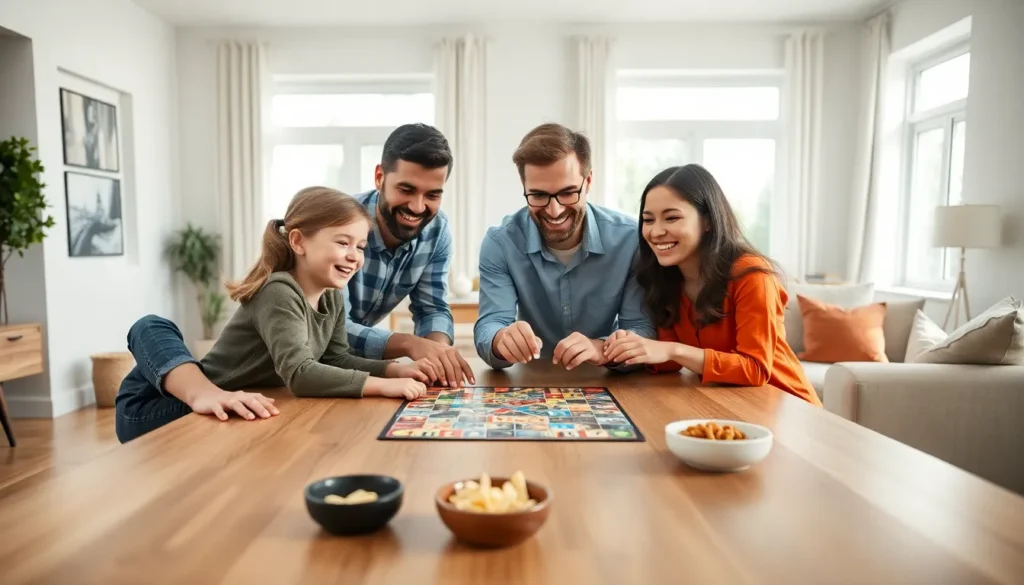
ToggleFamily games for beginners offer the perfect way to bring everyone together without the stress of complicated rules. Whether the household includes young children, grandparents, or anyone in between, the right game creates shared memories and genuine connection. The best part? No one needs gaming experience to join in.
Starting a game night tradition doesn’t require expensive equipment or hours of rule-reading. Simple, accessible games exist for every age group and interest level. This guide covers the best options for families just getting started, from classic board games to active indoor activities that get everyone moving.
Key Takeaways
- Family games for beginners create quality bonding time while teaching children valuable social skills like taking turns and good sportsmanship.
- Start with short, simple games that match the youngest player’s abilities to keep everyone engaged and avoid frustration.
- Board games like Ticket to Ride, Uno, and Candy Land offer easy-to-learn rules perfect for families new to game nights.
- Card games such as Go Fish and Crazy Eights require minimal setup and work great for filling short time windows.
- Active games like Charades, Simon Says, and Balloon Volleyball get the whole family moving without needing any equipment.
- Set a regular game night schedule, rotate who picks the game, and model good sportsmanship to build a lasting family tradition.
Why Family Game Nights Matter
Family game nights do more than fill an evening. They build communication skills, teach healthy competition, and create space for quality time without screens.
Children learn important lessons during game play. Taking turns, following rules, winning gracefully, and losing with dignity, these skills transfer directly to school and social situations. Adults benefit too. Game nights provide a low-pressure way to reconnect after busy weeks.
Research supports what many families already know. Shared activities strengthen bonds between family members. A 2019 study from the American Academy of Pediatrics found that play improves children’s social-emotional development. Family games for beginners make these benefits accessible to everyone, regardless of experience level.
The financial case is strong as well. A single board game costs less than one family movie outing. That same game provides entertainment for years. Many families report that game nights become the highlight of their week, a tradition kids actually look forward to.
Best Board Games for New Players
Board games have evolved far beyond the classics most people remember. Modern family games for beginners feature simple rules, quick play times, and genuine fun for all ages.
Ticket to Ride remains a top choice for beginners. Players collect train cards and claim railway routes across a map. The rules take about ten minutes to learn, and games last roughly an hour. Children as young as eight can compete effectively against adults.
Catan Junior introduces younger players (ages six and up) to strategy gaming. It simplifies the popular Settlers of Catan into a pirate-themed adventure. Games finish in 30 minutes, keeping attention spans intact.
Uno technically straddles the line between board and card games, but its simplicity makes it perfect for beginners. Matching colors and numbers requires no reading ability, so even preschoolers can participate.
Candy Land and Chutes and Ladders work well for families with very young children. These games require no strategy, just luck, which levels the playing field between three-year-olds and their parents.
Codenames: Pictures offers a great option for mixed-age groups. Teams give one-word clues to help teammates identify images on a grid. It encourages creative thinking without requiring any prior gaming knowledge.
Simple Card Games Everyone Can Learn
Card games require minimal setup and travel easily. Many family games for beginners fall into this category because the only equipment needed is a standard deck of cards.
Go Fish teaches matching and memory skills to young children. Players ask opponents for specific cards to complete sets of four. Most kids grasp the concept by age four.
Crazy Eights introduces basic strategy while staying accessible. Players match cards by suit or number, with eights serving as wild cards. It’s essentially the grandfather of Uno.
War requires zero skill, perfect for very young players who want to feel included. Each player flips a card, and the higher card wins. Simple, but surprisingly engaging.
Spoons adds physical action to card play. Players pass cards around a circle while trying to collect four of a kind. When someone succeeds, everyone grabs for spoons in the center. There’s always one fewer spoon than players, so someone gets eliminated each round.
For families ready to purchase specialty card games, Exploding Kittens offers absurd humor and quick rounds. Sushi Go. teaches set collection with adorable artwork. Both games take five minutes to explain and work for ages seven and up.
Card games excel at filling short time windows. A round of Go Fish fits perfectly before dinner or during a road trip stop.
Active Games for Family Fun
Not every family wants to sit around a table. Active family games for beginners get bodies moving while maintaining the social benefits of game night.
Charades costs nothing and works anywhere. One person acts out a word or phrase without speaking while others guess. Categories can be adjusted for any age group, movie titles for teens, animals for toddlers.
Simon Says tests listening skills and impulse control. An adult typically plays Simon first, then children can take turns leading. It’s sneaky exercise disguised as a game.
Musical Chairs requires only chairs and a way to play music. The tension of circling those chairs never gets old, even for adults who pretend they’re too mature for such things.
Freeze Dance eliminates the competitive elimination aspect of musical chairs. Everyone dances when music plays and freezes when it stops. Anyone still moving sits out, but younger kids can simply keep playing indefinitely.
Scavenger Hunts work indoors or outdoors. Creating a list takes ten minutes, and the hunt itself can last as long as desired. Picture-based lists help non-readers participate fully.
Balloon Volleyball transforms any living room into a court. The slow movement of balloons makes the game accessible to all ages and abilities. Just move the breakables first.
Tips for a Successful Game Night
Even the best family games for beginners can fall flat without proper planning. A few simple strategies make game nights more enjoyable for everyone.
Start with short games. Attention spans vary wildly within families. A 15-minute card game feels manageable, while a two-hour board game might cause meltdowns. Build up to longer games as the tradition takes hold.
Match games to the youngest player. The whole family can enjoy a game designed for six-year-olds. The reverse isn’t true. When in doubt, choose simpler options.
Rotate who picks the game. Letting each family member choose on different weeks builds investment. Kids feel heard, and adults might discover games they’d never have selected themselves.
Keep snacks nearby. Food elevates any gathering. Popcorn, fruit, or other easy finger foods keep energy levels stable without creating mess on game components.
Set a regular schedule. Friday evenings or Sunday afternoons work well for many families. Consistency helps game night become a genuine tradition rather than something that happens “when we remember.”
Model good sportsmanship. Children watch how adults handle losing. Congratulating winners sincerely and laughing off bad luck teaches emotional regulation better than any lecture.
Put phones away. This applies to adults especially. Divided attention undermines the whole purpose of family game night.


