
Table of Contents
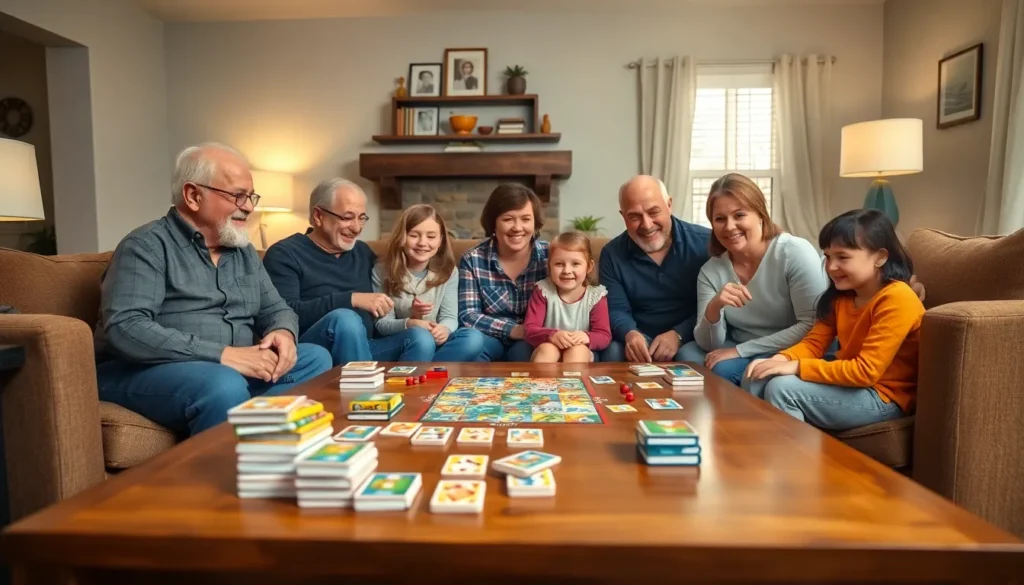
ToggleA good family games guide can transform an ordinary evening into lasting memories. Families across the country are rediscovering the joy of unplugged entertainment, and for good reason. Game nights build connections, spark laughter, and give everyone, from toddlers to grandparents, a chance to compete, cooperate, and simply have fun together.
This family games guide covers everything needed to plan successful game sessions. It includes board game recommendations, active games that burn energy, card games for mixed ages, and practical tips for keeping everyone engaged. Whether the goal is a quiet Sunday afternoon or an energetic Saturday night, the right game makes all the difference.
Key Takeaways
- A good family games guide helps you choose games based on age range, player count, time commitment, and interests to keep everyone engaged.
- Stock a variety of game types—board games, card games, and active games—so you always have options that fit the mood and available time.
- Top board games like Ticket to Ride, Catan, and Codenames balance strategy with accessibility, making them ideal for mixed-age family game nights.
- Active games like Charades, Twister, and Freeze Dance burn energy and create laughter between quieter tabletop sessions.
- Card games such as Uno, Go Fish, and Exploding Kittens pack big fun into portable packages perfect for travel or quick play.
- Set a regular game night schedule, let kids choose games, put phones away, and adjust rules as needed to make family game time a lasting tradition.
Choosing the Right Game for Your Family
Selecting the perfect game requires thought about who will play. Age ranges matter most. A game that thrills a teenager might frustrate a six-year-old, while something too simple will bore older kids fast.
Consider these factors when picking games:
- Player count: Some games work best with four players: others handle larger groups well.
- Time commitment: Quick 15-minute games suit busy weeknights. Longer strategy games fit weekends better.
- Skill levels: Look for games with adjustable difficulty or ones where luck balances skill gaps.
- Interests: Sports fans might enjoy trivia games. Creative types often prefer drawing or storytelling games.
A family games guide recommends keeping variety on hand. Stock a mix of quick card games, classic board games, and a few active options. This way, there’s always something that fits the mood and available time.
Don’t overlook cooperative games where everyone works together against the game itself. These eliminate the sore-loser problem and teach teamwork naturally.
Best Board Games for Family Game Night
Board games remain the backbone of family game night. The best ones balance strategy with accessibility so adults stay interested while kids can still win.
Ticket to Ride works brilliantly for families. Players collect train cards and claim railway routes across a map. Rules take five minutes to explain, but the strategy keeps everyone thinking. Ages 8 and up play comfortably.
Catan introduces resource trading and settlement building. It’s competitive without being cutthroat. Most games last 60-90 minutes, making it ideal for dedicated game nights.
Codenames splits players into teams for a word-guessing challenge. It accommodates larger groups and sparks plenty of laughs when clues go hilariously wrong.
For younger kids, Candy Land and Chutes and Ladders teach turn-taking and counting. Labyrinth offers a step up with its shifting maze mechanics that even adults find satisfying.
A solid family games guide suggests rotating through different genres. Strategy one week, party game the next. This keeps things fresh and exposes everyone to new types of play.
Active Games to Get Everyone Moving
Not every game happens around a table. Active games burn energy, get people laughing, and work especially well when kids have been sitting all day at school.
Charades costs nothing and scales to any group size. Players act out words or phrases while teammates guess. The physical comedy alone makes it worthwhile.
Twister remains a classic for good reason. Spinning the wheel and contorting into position creates inevitable hilarity. It’s simple enough for young children yet challenging enough that adults don’t feel silly playing.
Freeze Dance works great for families with small kids. Play music, everyone dances, stop the music, everyone freezes. Anyone who moves sits out. Last dancer standing wins.
Outdoor options expand the possibilities. Capture the Flag turns backyards into adventure zones. Relay races with silly challenges, carrying eggs on spoons, hopping in sacks, create excitement without expensive equipment.
This family games guide encourages mixing active games between quieter activities. A round of charades before settling into a board game keeps energy levels balanced and attention spans sharp.
Card Games Perfect for Mixed Age Groups
Card games pack big fun into small packages. They travel easily, set up quickly, and many work across wide age ranges.
Uno tops most family games guide lists for good reason. Color and number matching keeps young kids engaged while strategic card placement satisfies older players. The “Draw Four” card creates drama every single time.
Go Fish teaches matching and memory to players as young as four. It’s gentle competition that builds card-handling skills.
Exploding Kittens brings modern humor to the card game format. Players draw cards hoping to avoid the explosion while using action cards to protect themselves or sabotage opponents. The quirky illustrations appeal to kids and adults alike.
Sushi Go introduces drafting mechanics in a cute, accessible package. Players pick cards from rotating hands to build the best sushi meal. Rounds move fast, and the scoring system rewards different strategies.
For larger families, Apples to Apples Junior works well. Players match noun cards to adjective prompts, and a rotating judge picks the funniest or best combination. It sparks creativity and plenty of debate about why someone’s answer should win.
Card games fit perfectly into travel bags for vacations or quick play before dinner.
Tips for Making Family Game Time a Success
Even the best games fall flat without the right approach. These tips help family game nights run smoothly.
Set a regular schedule. Weekly game nights build anticipation and create tradition. Put it on the calendar like any other important appointment.
Let kids pick sometimes. Giving children ownership over game selection increases their investment. Rotate who chooses each week.
Manage competition carefully. Some families thrive on fierce competition: others prefer cooperation. Read the room and adjust game choices accordingly. If someone consistently loses and gets upset, switch to team-based games temporarily.
Put phones away. Distractions kill the vibe fast. Establish a no-device rule during game time. This applies to adults too, kids notice when parents check their phones.
Keep snacks simple. Greasy fingers and game pieces don’t mix well. Pretzels, grapes, or popcorn work better than chips or anything with cheese dust.
Adjust rules when needed. House rules exist for a reason. If a rule consistently causes arguments or drags the game down, change it. The goal is fun, not rule enforcement.
A family games guide serves as a starting point, but each family develops its own preferences over time. Pay attention to what works and build on those successes.


