
Table of Contents
ToggleFamily games bring people together. They create moments of laughter, friendly competition, and genuine connection across generations. But what exactly counts as a family game? At its core, family games include any activity designed for multiple players of different ages and skill levels to enjoy together. From classic board games to backyard activities, these shared experiences build memories that last far longer than any screen time ever could.
This guide breaks down everything you need to know about family games. You’ll learn what defines them, explore different types, discover their benefits, and find tips for choosing the perfect game for your household.
Key Takeaways
- Family games are activities designed for multiple players of different ages and skill levels to enjoy together, from board games to outdoor activities.
- The best family games feature simple rules, inclusive design, and balance fun over fierce competition so everyone can participate.
- Family games come in various types including board games, card games, and outdoor activities—each offering unique experiences for different preferences.
- Playing family games builds communication skills, creates screen-free quality time, and develops cognitive abilities in children.
- When choosing family games, consider age ranges, time commitment, player count, and competition level to find the perfect fit for your household.
- Establishing regular game nights creates lasting traditions and strengthens bonds across generations.
Defining Family Games
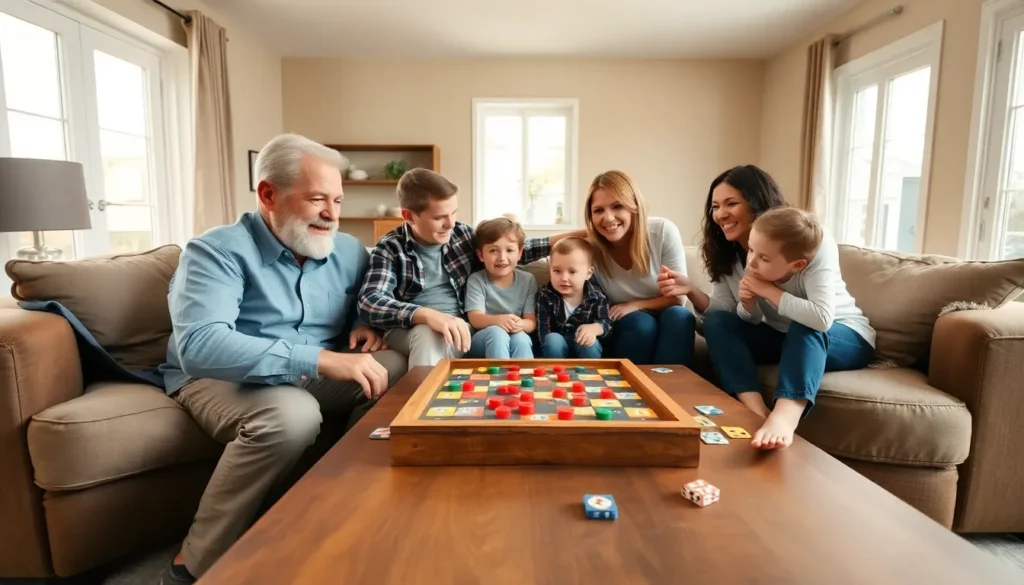
Family games are activities that groups of people, typically relatives spanning different ages, can play together. They differ from single-player games or adult-only games in one key way: accessibility. A true family game welcomes a six-year-old and a sixty-year-old to the same table.
The best family games share several characteristics. They have simple rules that anyone can learn quickly. They offer enough depth to keep adults engaged while remaining approachable for children. Most importantly, they prioritize fun over fierce competition.
Family games don’t require expensive equipment or special skills. Many popular options use basic materials like cards, dice, or a simple game board. Some need nothing more than open space and willing participants.
What separates family games from other activities is their inclusive design. Game developers create family games with mixed skill levels in mind. This means a parent won’t always dominate, and a young child has genuine chances to win. That balance keeps everyone interested and coming back for more.
Family games also adapt to different group sizes. Whether you have three players or ten, most family games can accommodate various numbers. This flexibility makes them ideal for holiday gatherings, weekend afternoons, or spontaneous game nights.
Types of Family Games
Family games come in many forms. Each type offers unique experiences and appeals to different preferences. Understanding these categories helps families find games that match their interests and circumstances.
Board Games
Board games remain the most popular category of family games. They typically involve a physical game board, pieces, and clear rules for winning. Classic examples include Monopoly, Scrabble, and Candy Land.
Modern board games have evolved significantly. Titles like Ticket to Ride, Catan, and Codenames offer fresh mechanics while staying family-friendly. These newer family games balance strategy with luck, giving everyone a fair shot at victory.
Board games work well for family games because they create a central focus point. Everyone gathers around the same space, faces each other, and shares a physical experience. This setup naturally encourages conversation and interaction.
Card Games
Card games offer portable, affordable family game options. Traditional playing cards support hundreds of different games, from Go Fish to Rummy. Specialized card games like Uno, Skip-Bo, and Exploding Kittens have also become household favorites.
Card-based family games typically feature faster play times than board games. A round might last ten minutes instead of an hour. This shorter format works well for families with young children whose attention spans have limits.
Many card games also travel easily. A deck fits in a purse or backpack, making card-based family games perfect for vacations, restaurants, or waiting rooms.
Outdoor and Active Games
Not all family games happen at a table. Outdoor and active games get families moving while having fun together. Tag, hide-and-seek, and capture the flag have entertained generations.
Structured outdoor family games include croquet, bocce ball, and cornhole. These activities work great for backyards, parks, and beaches. They combine physical activity with friendly competition.
Active indoor family games exist too. Charades, Twister, and dance games get everyone up and laughing. These family games burn energy while building connections, a winning combination for households with restless kids.
Benefits of Playing Games as a Family
Family games deliver benefits that extend far beyond entertainment. Research consistently shows that regular game play strengthens family bonds and supports child development.
First, family games build communication skills. Players must explain their thinking, negotiate, and express emotions appropriately. Children learn to win graciously and lose with dignity, lessons that transfer to school and social situations.
Second, family games create quality time without screens. In an era of constant digital distraction, sitting together for a board game forces genuine presence. Nobody scrolls through a phone while trying to beat grandma at Scrabble.
Third, many family games develop cognitive abilities. Strategy games improve problem-solving skills. Word games expand vocabulary. Math-based family games reinforce number sense. Kids learn without realizing they’re learning.
Fourth, family games establish traditions. Weekly game nights become anchors that families anticipate and remember. These rituals create stability for children and give teenagers a comfortable way to stay connected with parents.
Finally, family games level the playing field between generations. A child might struggle to compete with adults in most areas, but luck-based family games give everyone equal chances. That sense of fairness and possibility keeps younger players engaged and confident.
How to Choose the Right Family Game
Selecting the right family game requires considering several factors. The wrong choice leads to frustration: the right one becomes a beloved tradition.
Start with age ranges. Check the recommended ages on game packaging. But, don’t follow these suggestions blindly. You know your family best. Some eight-year-olds handle complex strategy: some adults prefer simple fun.
Consider the time commitment. Family games range from five-minute rounds to multi-hour sessions. Match game length to your family’s schedule and patience levels. Shorter family games work better for initial sessions, you can always play multiple rounds.
Think about player count. Some family games require exactly four players. Others scale from two to eight. Choose games that match your typical group size without requiring awkward adjustments.
Evaluate the competition level. Some families thrive on intense rivalry. Others prefer cooperative family games where everyone works together against the game itself. Games like Pandemic and Forbidden Island offer teamwork-focused alternatives to traditional competition.
Read reviews from other families. Online communities share honest feedback about which family games work in practice. A game might sound perfect on paper but fail with real families.
Finally, start with proven classics before exploring newer options. Games that have entertained families for decades usually deserve their reputations. Once you’ve established what your family enjoys, branch out to modern family games that match those preferences.


