
Table of Contents
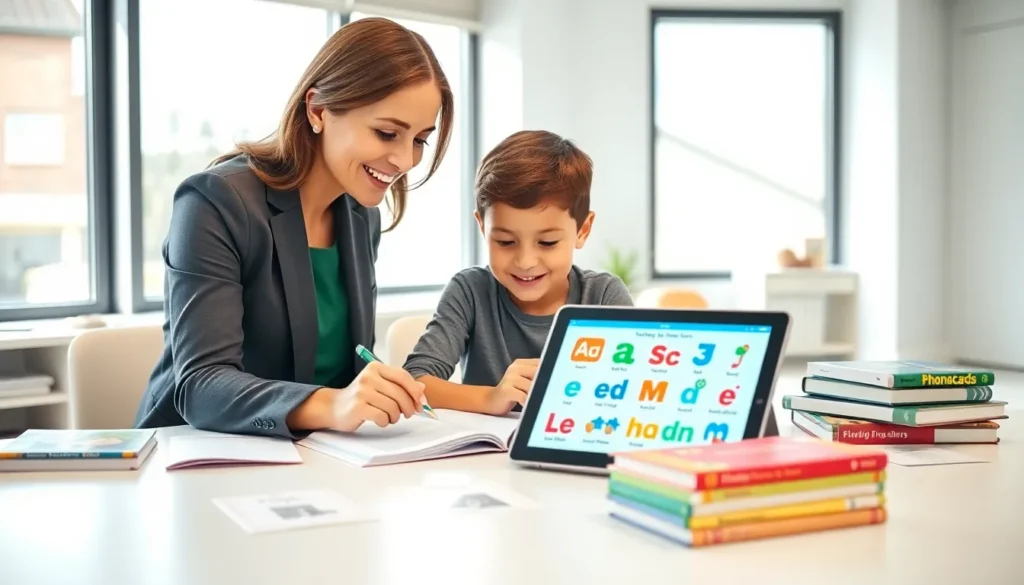
ToggleReading and literacy development tools help learners of all ages build essential communication skills. These resources range from digital apps to traditional workbooks, and they support everything from phonics instruction to advanced comprehension practice. Parents, teachers, and adult learners use literacy development tools to strengthen reading abilities and boost confidence.
Strong reading skills open doors. They improve academic performance, expand career opportunities, and support lifelong learning. The right literacy tools make this growth possible, whether someone is a kindergartner learning letter sounds or an adult improving workplace communication.
This guide explores the most effective reading and literacy development tools available today. It covers why literacy matters, the different types of tools on the market, how to select the best options, and strategies for putting them to work.
Key Takeaways
- Reading and literacy development tools support learners of all ages, from kindergartners mastering phonics to adults improving workplace communication.
- Digital literacy tools offer adaptive learning, instant feedback, and progress tracking, while print-based resources provide tactile experiences without screen time.
- Choose literacy tools based on the learner’s age, skill level, and specific challenges—look for evidence-based approaches grounded in the science of reading.
- Consistent daily practice of 15–20 minutes produces better results than occasional long sessions when using reading and literacy development tools.
- Combine structured literacy tools with real reading experiences to help learners apply new skills to books, documents, and everyday tasks.
- Regularly assess progress and adjust your approach—not every tool works for every learner, so flexibility is key to effective literacy development.
Why Literacy Development Matters at Every Age
Literacy affects nearly every aspect of daily life. Children who develop strong reading skills early perform better in school across all subjects, not just language arts. Reading comprehension supports math word problems, science concepts, and social studies content.
For adolescents, literacy skills determine academic success and future opportunities. Students who struggle with reading often fall behind in multiple subjects, which can limit college and career options later.
Adults benefit from continued literacy development too. Workplace literacy skills affect job performance, earning potential, and professional advancement. Adults who improve their reading abilities report greater confidence in daily tasks like understanding contracts, following instructions, and communicating through email.
The stakes are clear. According to the National Center for Education Statistics, approximately 21% of U.S. adults have low literacy skills. This affects their health outcomes, financial decisions, and civic participation. Quality reading and literacy development tools can help close this gap at any stage of life.
Early intervention produces the best results, but improvement is possible at every age. The brain maintains plasticity throughout life, meaning adults can still build new reading skills with the right support and practice.
Types of Reading and Literacy Tools
Reading and literacy development tools fall into two main categories: digital resources and print-based materials. Each type offers distinct advantages depending on the learner’s needs, preferences, and circumstances.
Digital Apps and Online Platforms
Digital literacy tools have transformed how people learn to read. Apps and online platforms offer interactive features that engage learners and provide instant feedback.
Popular reading apps for children include programs that teach phonics through games, songs, and animated lessons. These tools adapt to each child’s skill level and track progress over time. Parents and teachers can monitor performance and identify areas that need extra attention.
For older students and adults, digital platforms offer vocabulary builders, reading comprehension exercises, and speed-reading programs. Many include audio components that support learners who benefit from hearing words pronounced correctly.
Key advantages of digital literacy tools:
- Immediate feedback on answers and progress
- Adaptive difficulty that adjusts to the learner’s level
- Engaging multimedia elements that maintain interest
- Accessibility features for learners with disabilities
- Progress tracking and reporting for parents and teachers
Some digital reading and literacy development tools also incorporate speech recognition technology. This allows learners to practice reading aloud and receive feedback on pronunciation and fluency.
Traditional Print-Based Resources
Print materials remain valuable literacy development tools even though the rise of digital options. Physical books, workbooks, and flashcards offer tactile learning experiences that benefit many learners.
Phonics workbooks provide structured practice with letter-sound relationships. Leveled readers offer books matched to specific reading abilities, allowing learners to practice with appropriate challenges. Flashcards support vocabulary development and sight word recognition.
Print-based literacy tools work well in settings with limited technology access. They require no batteries, internet connection, or screen time, a consideration for parents concerned about digital device usage.
Many educators recommend combining digital and print-based reading and literacy development tools. This mixed approach addresses different learning styles and keeps instruction varied and engaging.
How to Choose the Right Literacy Tools
Selecting effective reading and literacy development tools requires consideration of several factors. The learner’s age, current skill level, and specific challenges should guide the decision.
Start by assessing current abilities. What does the learner already know? Where do they struggle? A child who recognizes letters but can’t blend sounds needs phonics instruction. A student who reads fluently but misses meaning needs comprehension strategies.
Consider the learning environment. Will the tools be used at home, in a classroom, or both? Some literacy tools work best with adult guidance, while others support independent practice.
Look for evidence-based approaches. Effective reading and literacy development tools use methods supported by research. Programs based on the science of reading, which emphasizes systematic phonics instruction and phonemic awareness, produce better outcomes than those using outdated methods.
Evaluate engagement features. The best literacy tools keep learners motivated. For children, this often means games, rewards, and colorful visuals. For adults, it might mean relevant content and clear progress indicators.
Check for progress monitoring. Quality reading and literacy development tools include assessment features that track improvement over time. This data helps parents, teachers, and learners themselves see what’s working.
Budget matters too. Free apps and library resources can supplement purchased programs. Many schools provide access to premium literacy tools, so check what’s already available before buying.
Strategies for Effective Implementation
Having good reading and literacy development tools isn’t enough. How they’re used determines their effectiveness.
Consistency beats intensity. Short, daily practice sessions produce better results than occasional long sessions. Even 15-20 minutes of focused literacy work each day builds skills over time.
Set clear goals. What specific skills should improve? Breaking literacy development into concrete objectives, like mastering short vowel sounds or increasing reading speed by 20 words per minute, makes progress measurable.
Combine tools with real reading experiences. Literacy tools teach skills, but those skills need application. Children should read actual books alongside app-based practice. Adults should apply comprehension strategies to workplace documents or personal reading.
Create a supportive environment. Learners progress faster when they feel safe making mistakes. Praise effort and improvement rather than just correct answers.
Adjust as needed. If a literacy tool isn’t producing results after consistent use, try something different. Not every resource works for every learner. The goal is finding reading and literacy development tools that match the individual’s needs and learning style.
Involve the learner in the process. When people understand why they’re practicing certain skills, they engage more fully. Explain how phonics knowledge leads to independent reading, or how vocabulary expansion supports career goals.


