
Table of Contents
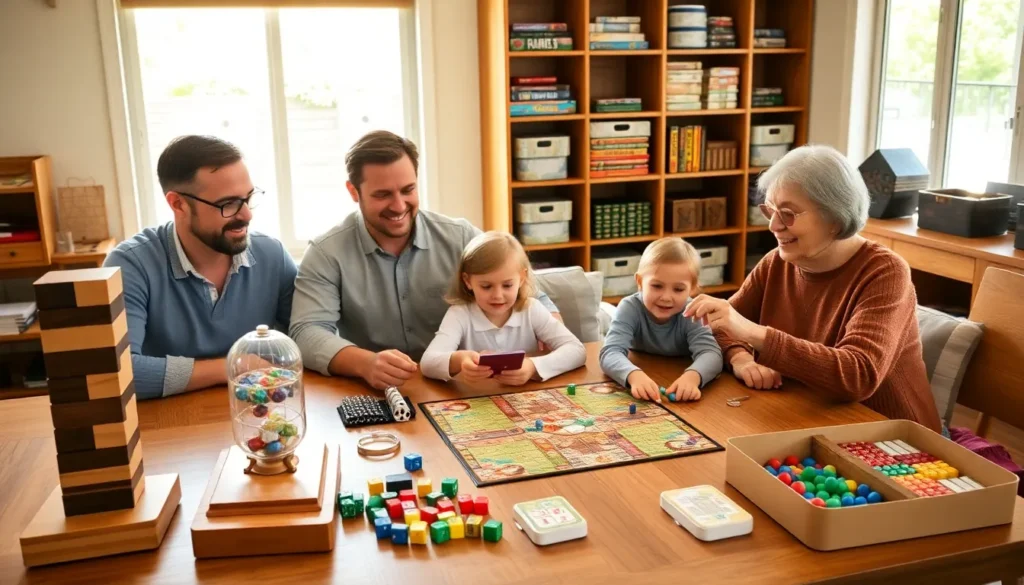
ToggleFamily games tools transform ordinary evenings into memorable bonding experiences. The right equipment makes game nights smoother, more fun, and keeps everyone engaged, from toddlers to grandparents.
Whether families prefer classic board games or backyard competitions, having proper tools elevates the experience. Quality dice towers, card shufflers, and outdoor gear remove friction and let the fun take center stage. This guide covers the essential family games tools every household should consider, how to pick the right ones for different ages, and smart ways to organize everything without very costly.
Key Takeaways
- Family games tools like dice towers, card shufflers, and score trackers make game nights smoother and more enjoyable for all ages.
- Choose age-appropriate equipment—large foam pieces for toddlers, card holders for young children, and premium gear for teens and adults.
- Organize your family games tools with dedicated storage furniture, labeled bins, and inventory lists to save time and protect your investment.
- Budget-friendly options include DIY alternatives, dollar store finds, secondhand shopping, and waiting for seasonal sales.
- Outdoor family games tools such as cornhole sets, lawn games, and giant game versions bring multigenerational fun to backyard gatherings.
- Public libraries often lend board games and equipment, letting families test family games tools before committing to a purchase.
Types of Family Games Tools You Need
Building a solid collection of family games tools starts with understanding what’s available. Two main categories cover most household needs: board game accessories and outdoor game equipment.
Board Game Accessories
Board game nights run better with the right accessories. Here are the essentials:
Dice towers and trays keep rolls fair and contained. No more dice flying off the table or suspicious re-rolls. A good dice tray costs between $10-30 and lasts for years.
Card shufflers save time and protect cards from excessive handling. Electric shufflers work well for families who play card-heavy games weekly. They’re especially helpful for kids who struggle with manual shuffling.
Timer sets add excitement to turn-based games. Sand timers remain popular, but digital options offer more flexibility. Many families keep multiple timers, 30 seconds, one minute, and five minutes, to match different games.
Score pads and dry-erase boards eliminate the need for paper scraps. Reusable score trackers save money over time and keep game areas tidy.
Piece organizers and bags prevent lost components. Small ziplock bags, tackle boxes, or custom inserts keep game pieces sorted between sessions.
Outdoor Game Equipment
Backyard games need quality equipment that handles weather and active play.
Lawn game sets include classics like bocce ball, cornhole, and ladder toss. Look for sets with carrying cases, they make transport and storage much easier. Cornhole boards with bean bags typically run $50-150 depending on quality.
Sports equipment covers balls, nets, and goals for family-friendly versions of soccer, basketball, and volleyball. Adjustable equipment grows with children, making it a smart investment.
Water game tools shine during summer months. Water balloon launchers, sprinkler games, and pool toys create instant entertainment. These family games tools often cost under $30 and provide hours of activity.
Giant game versions bring indoor favorites outside. Oversized Jenga, Connect Four, and chess sets work great for parties and reunions. They’re conversation starters that get multiple generations involved.
Choosing the Right Tools for Different Age Groups
Not every family games tool works for every age. Smart selection prevents frustration and keeps everyone included.
Toddlers (2-4 years) need simple, safe equipment. Large foam dice, chunky game pieces, and basic matching tools work best. Avoid small parts that pose choking hazards. Soft outdoor equipment like foam balls protects little ones during active play.
Young children (5-8 years) can handle more variety. Card holders help small hands manage multiple cards. Kid-friendly timers with visual countdowns reduce anxiety during timed games. Outdoor equipment at this stage should be lightweight and forgiving, plastic bats, soft frisbees, and rubber balls.
Tweens (9-12 years) enjoy strategy and competition. Electronic scorekeepers, more complex dice sets, and professional-grade outdoor equipment appeal to this group. They can also help maintain and organize family games tools, building responsibility.
Teens and adults appreciate quality and durability. Premium card sleeves, weighted dice, and tournament-level outdoor gear satisfy more serious players. These family games tools often last decades with proper care.
Multi-generational households benefit from adjustable equipment. Cornhole boards that work for all skill levels, card holders that help arthritic hands, and games with variable difficulty settings keep everyone engaged. The best family games tools accommodate the youngest and oldest players simultaneously.
Storage and Organization Solutions
Good family games tools mean nothing if nobody can find them. Organization systems save time and protect investments.
Dedicated storage furniture makes game nights easier to start. A game closet, cabinet, or shelving unit keeps everything visible and accessible. Kallax-style cube shelves from IKEA remain popular among game collectors, each cube fits most standard board game boxes.
Bin systems work well for outdoor equipment. Large labeled bins store balls, nets, and seasonal items separately. Clear bins let families see contents without opening lids.
Hanging solutions maximize vertical space. Mesh bags on hooks store outdoor family games tools like frisbees and paddles. Over-door organizers hold smaller items.
Travel containers keep portable games together. A dedicated bag or box with favorite travel games stays ready for vacations and family visits. Include backup batteries, extra dice, and a small flashlight.
Inventory lists prevent duplicate purchases and track missing pieces. A simple spreadsheet or notebook listing owned family games tools saves money and frustration. Note which games need replacement parts before the next purchase.
Budget-Friendly Options for Every Family
Quality family games tools don’t require huge budgets. Smart shopping stretches every dollar.
DIY alternatives cost little but work well. Homemade dice trays from old picture frames, painted rocks for outdoor games, and printed score sheets deliver functionality without expense. Pinterest and YouTube offer countless tutorials for family games tools projects.
Dollar store finds include basic equipment at rock-bottom prices. Playing cards, sand timers, small storage containers, and outdoor toys often cost just $1-5. The quality won’t match premium options, but these items serve casual players perfectly.
Secondhand shopping uncovers deals on expensive items. Thrift stores, garage sales, and Facebook Marketplace list family games tools regularly. Check that game sets include all pieces before purchasing. Outdoor equipment often appears at estate sales for 70-80% off retail.
Starter sets bundle essentials together. Many companies sell family games tools kits that include dice, timers, scorepads, and organizers in one purchase. These bundles typically cost 30-40% less than buying items separately.
Seasonal sales offer the best prices on quality gear. After-Christmas sales, Prime Day, and back-to-school promotions discount family games tools significantly. Planning purchases around these events saves substantial money.
Library programs let families try before buying. Many public libraries lend board games and outdoor equipment. Testing family games tools this way prevents expensive mistakes.


