
Table of Contents
ToggleBest reading and literacy development begins with the right strategies, and it’s never too early or too late to start. Whether parents want to build a foundation for toddlers or adults seek to sharpen their comprehension skills, effective reading habits make a lasting difference.
Strong literacy skills influence academic success, career opportunities, and even mental health. Research shows that children who read proficiently by third grade are four times more likely to graduate high school on time. For adults, better reading ability opens doors to higher-paying jobs and greater confidence in daily life.
This guide covers proven methods for building reading skills at any age. It explores why early literacy matters, practical techniques for forming habits, and the best tools to support ongoing growth.
Key Takeaways
- Best reading and literacy development starts early—children who read proficiently by third grade are four times more likely to graduate high school on time.
- Reading aloud for at least 20 minutes daily is one of the most effective strategies to build vocabulary, fluency, and comprehension at any age.
- Phonics-based instruction helps readers decode unfamiliar words independently and should be introduced systematically, one letter-sound combination at a time.
- Creating a literacy-rich home environment by stocking books everywhere and limiting screen time naturally encourages reading habits.
- Letting readers choose their own books based on personal interests builds intrinsic motivation and strengthens long-term reading habits.
- Free resources like public libraries, educational apps, and community tutoring programs make literacy development accessible to families at every income level.
Why Early Literacy Skills Matter
Early literacy skills shape a child’s entire educational journey. Kids who develop strong reading foundations before kindergarten perform better in school across all subjects, not just language arts.
The brain builds neural pathways for language processing most rapidly during the first five years of life. During this window, children absorb vocabulary, phonemic awareness, and print concepts with remarkable speed. Missing this opportunity doesn’t mean all is lost, but catching up later requires more effort.
The Long-Term Impact
Studies from the National Institute for Literacy found that 85% of juvenile offenders have reading difficulties. Meanwhile, children with strong best reading and literacy development skills earn higher incomes as adults and report greater life satisfaction.
Early readers also show:
- Better attention spans and focus
- Stronger problem-solving abilities
- Higher self-esteem in academic settings
- Greater empathy through exposure to diverse perspectives
What Happens Without Intervention
Children who struggle with reading by first grade often stay behind their peers throughout school. This gap tends to widen over time. By fourth grade, students shift from “learning to read” to “reading to learn,” and those without solid foundations face challenges in science, social studies, and math word problems.
The good news? Parents and educators can prevent these outcomes with intentional, consistent support.
Proven Techniques to Build Strong Reading Habits
Building reading habits requires more than good intentions. The most successful approaches combine consistency, engagement, and gradual skill progression.
Read Aloud Daily
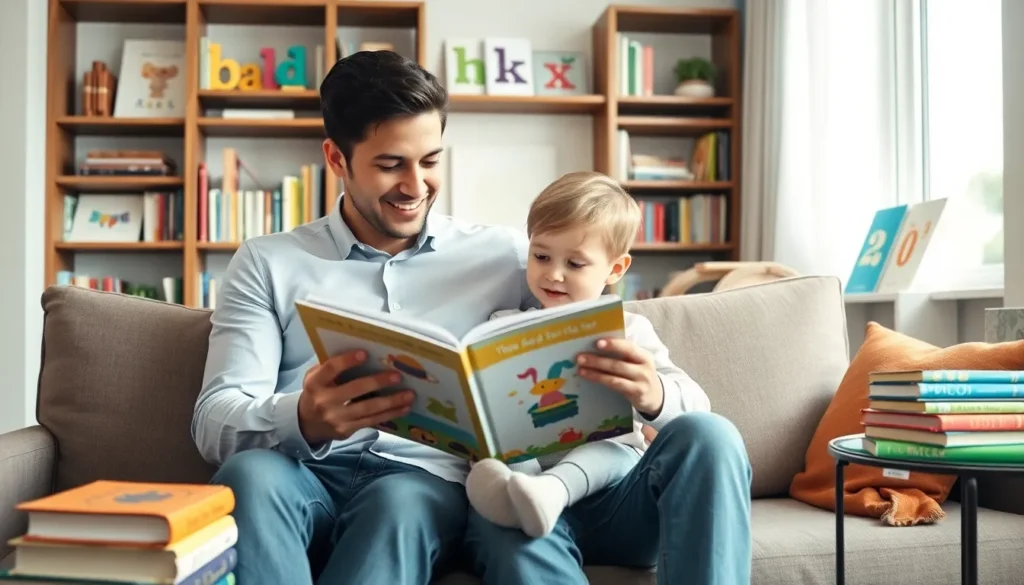
Reading aloud remains one of the most effective strategies for best reading and literacy development at any age. For young children, it introduces vocabulary, rhythm, and story structure. For older readers, hearing fluent reading models proper pacing and expression.
Aim for at least 20 minutes of read-aloud time daily. Parents can start with picture books and progress to chapter books as children’s attention spans grow.
Use Phonics-Based Instruction
Phonics teaches the relationship between letters and sounds. Systematic phonics instruction helps readers decode unfamiliar words independently. Programs like Orton-Gillingham or structured literacy curricula provide step-by-step frameworks.
For best results:
- Introduce one letter-sound combination at a time
- Practice blending sounds into words
- Apply new skills through decodable texts
- Review previously learned patterns regularly
Encourage Choice and Interest
Readers who choose their own books develop intrinsic motivation. Let children pick topics that excite them, dinosaurs, space, graphic novels, or sports. Adults learning to improve their literacy should follow the same principle.
A reluctant reader who devours comic books is still building vocabulary, comprehension, and fluency. Quality matters less than quantity in the early stages of habit formation.
Set Specific Reading Goals
Vague goals like “read more” rarely produce results. Instead, set measurable targets: read for 15 minutes before bed, finish two books this month, or learn five new vocabulary words weekly. Tracking progress increases accountability and provides a sense of accomplishment.
Creating a Literacy-Rich Environment at Home
Environment shapes behavior. Homes filled with books, print materials, and reading opportunities naturally encourage literacy growth.
Stock Books Everywhere
Keep books in every room, bedrooms, living areas, even bathrooms. Children who see adults reading regularly view it as a normal, enjoyable activity. Rotate selections frequently to maintain interest.
Public libraries offer free access to thousands of titles. Many libraries also provide digital borrowing through apps like Libby or OverDrive.
Label and Discuss Everyday Print
Young children benefit from seeing print in meaningful contexts. Label items around the house, point out signs during errands, and read recipes together while cooking. These small moments reinforce that reading has practical, real-world value.
Limit Screen Competition
Screens compete directly with reading time. Families who establish screen-free periods, during meals or the hour before bed, create space for best reading and literacy development activities.
This doesn’t mean banning technology entirely. Educational apps and e-readers serve legitimate purposes. But passive video consumption shouldn’t crowd out active reading.
Make Reading Social
Book clubs, family reading nights, and sibling read-alouds turn reading into a shared experience. Discussing books builds comprehension and critical thinking. Even asking simple questions like “What do you think will happen next?” or “Why did the character make that choice?” deepens engagement.
Tools and Resources for Ongoing Literacy Growth
The right tools accelerate progress. These resources support best reading and literacy development for learners at every stage.
Apps and Digital Platforms
- Epic. – Offers 40,000+ digital books for children through age 12
- Reading Eggs – Provides phonics lessons and games for ages 2-13
- Audible – Combines audiobooks with text for improved fluency
- Khan Academy Kids – Free reading instruction for preschool through second grade
Assessment Tools
Understanding a reader’s current level helps target instruction effectively. Free assessments like the San Diego Quick Assessment or DIBELS (Dynamic Indicators of Basic Early Literacy Skills) measure specific skills and identify gaps.
Teachers and tutors can use these results to customize lesson plans. Parents can use them to select appropriately challenging books.
Community Programs
Many communities offer free literacy support:
- Library story times and summer reading programs
- Volunteer tutoring through organizations like Reading Partners
- Adult literacy classes at community colleges
- Head Start and Early Head Start for families with young children
Print Resources
Physical books and workbooks still matter. Scholastic book fairs, thrift stores, and Little Free Libraries provide affordable access. Decodable readers from publishers like Flyleaf and Primary Phonics support systematic instruction at home.


