
Table of Contents
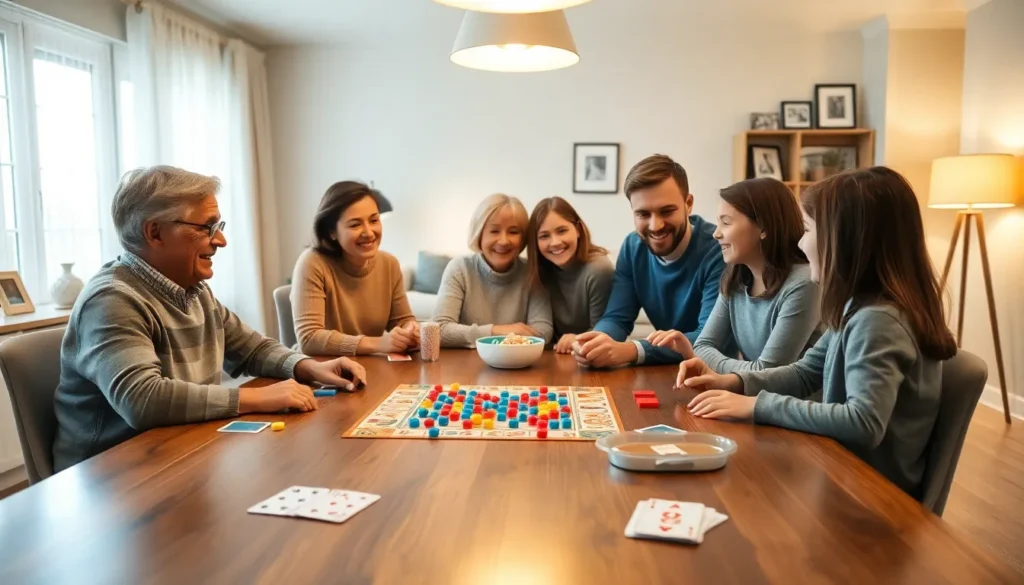
ToggleFamily game ideas bring people together like few things can. A deck of cards, a worn-out board game, or even a simple guessing game creates memories that last for years. Whether it’s a rainy Saturday afternoon or a holiday gathering, the right game turns ordinary moments into genuine fun.
Finding activities that work for toddlers, teenagers, and grandparents at the same table isn’t always easy. Some games move too fast for little ones. Others bore the adults. The best family games bridge those gaps and keep everyone engaged.
This guide covers classic board games, active options, card games, and creative DIY ideas. It also includes practical tips to make family game time successful every time.
Key Takeaways
- Family games ideas range from classic board games to active outdoor activities, card games, and creative DIY options that suit all ages.
- Classic games like Monopoly, Scrabble, and Candy Land bridge generational gaps and require minimal setup for maximum fun.
- Active games such as charades, capture the flag, and balloon volleyball keep everyone moving while building teamwork skills.
- A standard deck of cards offers dozens of portable, affordable family games ideas perfect for travel or unexpected downtime.
- DIY games like scavenger hunts and trivia nights cost nothing and often create the most memorable family moments.
- Schedule regular game nights, set clear rules, and rotate game selection to turn family game time into a lasting tradition.
Classic Board Games That Never Get Old
Some family game ideas have stood the test of time for good reason. Classic board games offer a mix of strategy, luck, and social interaction that keeps players coming back.
Monopoly remains a household staple. Players buy properties, collect rent, and try to bankrupt their opponents. A full game takes hours, so plan accordingly. For shorter sessions, set a timer and declare the wealthiest player the winner.
Scrabble challenges vocabulary and spelling skills. Kids can team up with adults to level the playing field. The game rewards both word knowledge and strategic tile placement.
Clue turns everyone into detectives. Players gather clues to solve a mystery, who committed the crime, with what weapon, and where. It’s perfect for families who enjoy a bit of suspense.
The Game of Life simulates life decisions from college to retirement. Spin the wheel, make choices, and see where life takes you. Younger children enjoy the colorful board and simple gameplay.
Candy Land works great for families with small children. No reading required, just match colors and move forward. It teaches turn-taking and patience.
These classic family game ideas require minimal setup and deliver maximum entertainment. Most households already own at least one of these games, making them easy starting points for regular game nights.
Active Games for Indoor and Outdoor Fun
Not all family game ideas happen around a table. Active games get everyone moving and burn off energy, especially helpful when kids have been cooped up inside.
Indoor Active Games
Charades costs nothing and works anywhere. One person acts out a word or phrase while others guess. Create categories like movies, animals, or famous people to keep things interesting.
Musical chairs brings out competitive spirits. Remove one chair each round until only the winner remains. Use a phone or speaker for easy music control.
Hide and seek never loses its appeal. Designate safe hiding zones to prevent anyone from squeezing into dangerous spots.
Balloon volleyball turns any living room into a court. Use a string or couch as the net. The slow-moving balloon gives younger players time to react.
Outdoor Active Games
Capture the flag creates team-based excitement. Divide into groups, hide flags, and try to steal the opponent’s flag without getting tagged.
Relay races test speed and coordination. Set up stations with different challenges, hopping, crawling, or carrying an egg on a spoon.
Kickball follows baseball rules but uses a rubber ball and feet instead of bats. Most backyards or parks provide enough space.
Frisbee golf works in any open area. Set up targets like trees or trash cans and count throws to each target. Lowest score wins.
Active family game ideas keep bodies moving while building teamwork and coordination skills.
Card Games for All Ages
A standard deck of cards opens up dozens of family game ideas. Card games are portable, affordable, and quick to learn.
Uno tops many family favorites lists. Match colors or numbers, play action cards, and be the first to empty your hand. The “Draw Four” card creates plenty of drama.
Go Fish teaches young children matching and memory skills. Ask opponents for specific cards to complete sets of four.
Crazy Eights uses a standard deck. Match the suit or number of the top card. Eights are wild and let players change the suit.
War requires zero strategy, just flip cards and compare. The highest card wins the round. It’s mindless fun that even toddlers can join.
Spoons adds physical action to card play. Grab a spoon when you get four of a kind. One fewer spoon than players means someone always loses.
Rummy introduces light strategy for older kids and adults. Form sets and runs to clear your hand. Multiple variations exist, so families can find their preferred version.
Hearts works well for four players. Avoid taking hearts and especially the queen of spades. It’s simple to learn but offers strategic depth.
Card-based family game ideas travel easily to vacations, restaurants, or waiting rooms. Keep a deck in the car for unexpected downtime.
Creative and DIY Game Ideas
Some of the best family game ideas don’t come from a store. DIY games cost little or nothing and can be customized to fit any family.
Scavenger hunts work indoors or outdoors. Create a list of items to find or clues to follow. Themes like nature, colors, or household objects add variety.
Trivia night tests family knowledge. Write questions about history, pop culture, sports, or family memories. Award points for correct answers and crown a winner.
Minute to win it challenges use household items. Stack cups, move cookies from forehead to mouth using only facial muscles, or bounce ping pong balls into cups. Each challenge lasts one minute.
Story building exercises creativity. One person starts a story with a sentence. The next person adds a sentence. Continue around the group for surprising (and often hilarious) results.
Pictionary with household items skips the official game. Write words on slips of paper, draw from a bowl, and sketch while others guess. A whiteboard, chalkboard, or paper works fine.
Homemade bingo adapts to any theme. Create cards with pictures for young children or words for readers. Use buttons, coins, or candy as markers.
Two truths and a lie reveals surprising facts about family members. Each person shares three statements, two true, one false. Others guess which statement is the lie.
These creative family game ideas encourage imagination and often produce the most memorable moments.
Tips for Making Family Game Time a Success
Even the best family game ideas can flop without proper planning. A few practical tips ensure everyone has fun.
Choose age-appropriate games. A game too advanced frustrates young children. A game too simple bores teenagers. When ages vary widely, pick games with team options or adjustable rules.
Set clear rules before starting. Explain gameplay, winning conditions, and house rules upfront. This prevents arguments mid-game about what’s allowed.
Keep sessions reasonable. Attention spans vary by age. Younger kids might last 20 minutes. Teens and adults can handle longer games. Watch for signs of boredom and wrap up before frustration sets in.
Rotate game selection. Let different family members pick the game each week. This gives everyone ownership and introduces variety.
Minimize distractions. Put phones away. Turn off the TV. Focused attention makes family game ideas more enjoyable for everyone.
Handle competition carefully. Some families thrive on fierce competition. Others prefer cooperation. Know your family’s dynamic and choose games that match.
Snacks help. Popcorn, fruit, or other finger foods make game time feel special. Avoid messy options that could damage cards or game pieces.
Celebrate participation, not just winning. Praise effort, good sportsmanship, and clever plays. Kids who always lose may resist future game nights.
Schedule regular game nights. Weekly or monthly consistency builds anticipation. Put it on the calendar and protect that time.
These strategies turn family game ideas into traditions that strengthen bonds across generations.


