
Table of Contents
ToggleFamily games techniques can transform an ordinary evening into a memorable bonding experience. Game nights bring families together, but without the right approach, they can also spark frustration or boredom. The difference between a chaotic disaster and a genuinely fun time often comes down to preparation and strategy. This guide covers practical techniques for setting up game night, keeping players of all ages interested, balancing competition with cooperation, and teaching new games without losing everyone’s attention. Whether families gather weekly or monthly, these methods help create positive experiences that everyone looks forward to.
Key Takeaways
- Family games techniques work best when you prepare the space, select age-appropriate games, and set a consistent schedule.
- Use handicap systems and helper roles to keep players of all ages engaged and feeling included.
- Balance competition with cooperation by mixing competitive games with teamwork-focused options like Pandemic or Forbidden Island.
- Teach new games effectively by learning the rules beforehand, starting with the goal, and playing a practice round.
- Watch for signs of boredom or frustration and be ready to switch games or take breaks to maintain a positive atmosphere.
- Celebrate effort and smart plays—not just victories—to encourage good sportsmanship and keep spirits high.
Setting the Stage for Successful Family Game Time
A successful family game night starts before anyone opens a box. The physical setup matters more than most people realize.
Choose the Right Space
Pick a table or area with enough room for all players. Cramped quarters lead to knocked-over pieces and short tempers. Good lighting helps everyone see the board, cards, or components clearly. Background noise should stay low, turn off the TV and put phones on silent.
Select Games Wisely
Family games techniques depend heavily on game selection. Consider the youngest player’s abilities and the oldest player’s patience. A five-year-old cannot handle a three-hour strategy game. A teenager might groan at Candy Land. The sweet spot exists somewhere in the middle.
Keep a rotation of games with different play times:
- Quick games (15-20 minutes): Uno, Spot It., Go Fish
- Medium games (30-45 minutes): Ticket to Ride, Catan Junior, Codenames
- Longer games (60+ minutes): Monopoly, Risk, Clue
Set a Schedule and Stick to It
Consistency builds anticipation. Weekly or bi-weekly game nights work well for most families. Pick a time when energy levels run high, right after dinner often works better than late evening when younger kids get tired.
Prepare Snacks Ahead of Time
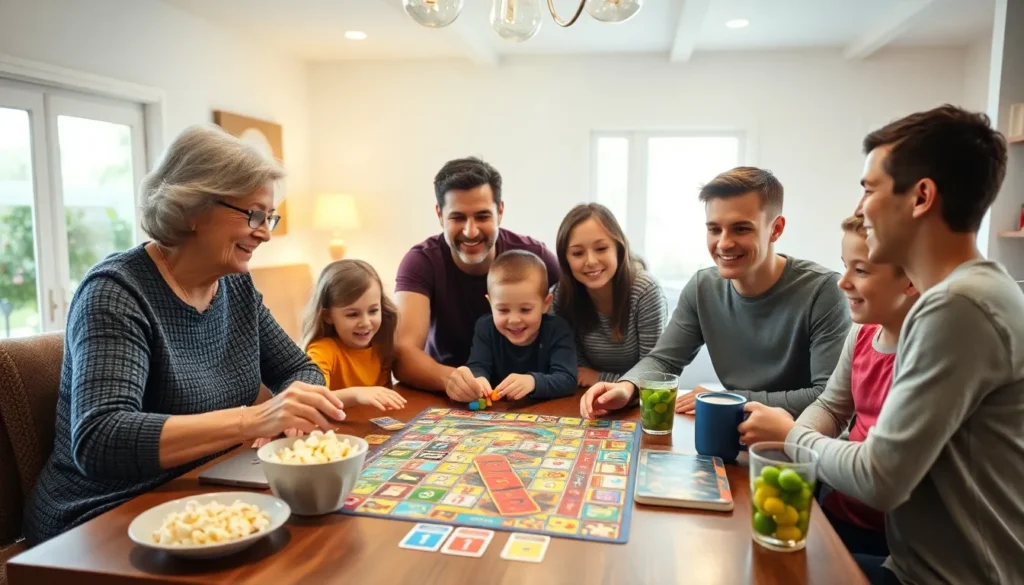
Hungry players become cranky players. Set out snacks before starting. Avoid greasy or sticky foods that could damage game components. Popcorn, pretzels, and cut vegetables work well. Keep drinks in spill-proof containers away from the playing surface.
Techniques for Keeping All Ages Engaged
Mixed-age groups present the biggest challenge for family game nights. A bored eight-year-old or a frustrated grandparent can derail the whole evening. Smart family games techniques address this head-on.
Use Handicap Systems
Many games allow unofficial adjustments to level the playing field. In trivia games, give younger players easier questions or let them consult an adult. In word games like Scrabble, allow children to use a dictionary freely while adults cannot. These small tweaks keep outcomes uncertain without making rules complicated.
Assign Helper Roles
Younger children who cannot fully participate can still contribute. Let them roll dice, move pieces, or keep score. They feel included without slowing down gameplay. Older family members can serve as “advisors” to younger players without taking over their turns.
Break Up Long Games
Attention spans vary wildly across ages. For longer games, plan intermissions. A five-minute stretch break keeps everyone fresh. Some families split marathon games across multiple sessions, play half tonight, finish tomorrow.
Rotate Game Choices
Let different family members pick the game each week. Kids feel ownership when their choice gets played. Adults appreciate having their preferences honored too. This rotation prevents the same person from always controlling the evening.
Watch Body Language
Engagement shows in posture and expression. Slouching, fidgeting, or frequent phone-checking signals boredom. When this happens, consider shortening the current game or switching to something faster-paced. Forcing participation rarely ends well.
Strategies for Managing Competition and Cooperation
Competition brings excitement to family games. It can also bring tears, slammed doors, and hurt feelings. Effective family games techniques balance the thrill of winning with the need for family harmony.
Establish House Rules for Sportsmanship
Before playing, set clear expectations. Winners do not gloat. Losers do not sulk. Everyone congratulates the winner. These rules sound basic, but stating them explicitly helps, especially with children who are still learning emotional regulation.
Mix Competitive and Cooperative Games
Cooperative games pit players against the game itself rather than each other. Titles like Pandemic, Forbidden Island, or Outfoxed. require teamwork to win. Including these in rotation gives highly competitive family members a break from facing off against each other.
Address Poor Losers Directly
Some family members struggle with losing. Address this privately, not during the game. Validate feelings (“Losing is frustrating”) while reinforcing expectations (“But we treat others kindly regardless”). Consistent enforcement teaches better habits over time.
Celebrate Effort, Not Just Victory
Point out good plays and smart decisions regardless of who wins. “That was a clever move.” or “You almost had it.” keeps spirits high. Recognition for trying hard matters more to most kids than final scores.
Consider Team Formats
Pairing players into teams spreads the competitive pressure. A parent-child team versus another parent-child team keeps things balanced. It also gives newer players a built-in mentor without singling them out.
Tips for Teaching New Games Effectively
Nothing kills game night momentum faster than a twenty-minute rules explanation while everyone’s eyes glaze over. Teaching new games well is one of the most valuable family games techniques anyone can learn.
Read the Rules Before Game Night
The designated teacher should learn the game in advance. Stumbling through a rulebook at the table wastes time and frustrates players. Watch a tutorial video on YouTube if the written rules confuse. Many popular games have excellent three-minute explanations online.
Start with the Goal
Begin every explanation with how to win. “We’re trying to get rid of all our cards” or “The player with the most points wins” gives context for everything else. Without the goal, detailed rules feel random and hard to remember.
Explain Actions, Not Exceptions
Cover basic turns first. What can a player do? How does a round work? Save edge cases and special rules for when they come up during play. Overwhelming new players with every possible scenario backfires.
Play a Practice Round
Open hands and a “this doesn’t count” round let everyone get comfortable. Players learn faster by doing than by listening. Make mistakes together. Laugh about them.
Keep the Rulebook Nearby
Questions will arise. Having the rules accessible prevents arguments about what a card means or whether a move is legal. Designate one person as the “rules judge” for final decisions.
Choose Learning-Friendly Games for Beginners
Some games teach themselves through play. Games with simple mechanics and short rounds, like Uno, Sushi Go, or Qwixx, let newcomers catch on quickly. Save heavier games for experienced groups.


