
Table of Contents
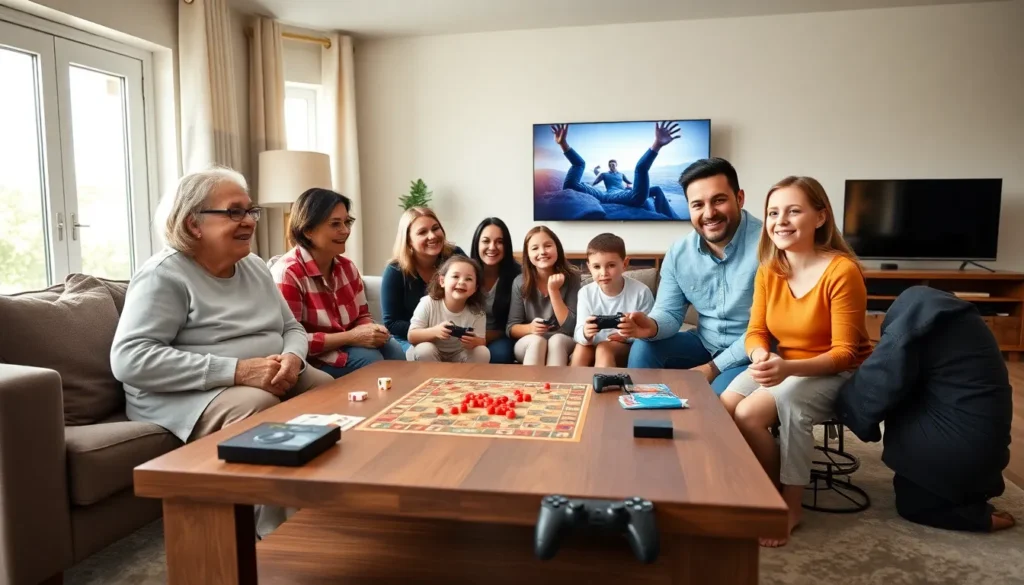
ToggleFamily games vs. video games, it’s a debate many households face when planning their next bonding activity. Both options offer entertainment and connection, but they deliver these benefits in different ways. Traditional board games bring people around a table, while video games create shared digital adventures. Each choice shapes how families interact, communicate, and build memories together.
This comparison matters because quality time looks different for every family. Some thrive with dice and game pieces. Others prefer controllers and screens. Understanding what each option brings to the table helps parents and caregivers make informed decisions about family entertainment.
Key Takeaways
- Family games vs. video games isn’t about choosing a winner—both offer unique benefits for bonding and entertainment.
- Traditional family games promote face-to-face communication, screen-free time, and work well across all generations.
- Video games excel at engaging reluctant participants, enabling cooperative play, and connecting distant relatives online.
- Consider your family’s goals, budget, and time availability when deciding between traditional and digital gaming options.
- A mixed approach often works best—alternating between board games and video games keeps family time fresh and inclusive.
- The best family games are simply the ones your household will actually play together.
What Makes Family Games Unique
Family games stand apart because they require physical presence and direct interaction. Players sit together, make eye contact, and engage without screens between them. This setup creates a different kind of connection than digital alternatives offer.
Traditional family games also teach through play. Card games build math skills. Strategy games develop critical thinking. Word games expand vocabulary. These learning opportunities happen naturally during gameplay.
The tactile experience matters too. Shuffling cards, rolling dice, and moving game pieces engage the senses in ways that digital games cannot replicate. Many players find this hands-on element more satisfying and memorable.
Family games also require minimal setup. Most need only a flat surface and willing participants. There’s no charging, updating, or troubleshooting involved. This simplicity makes spontaneous game nights easier to organize.
Benefits of Traditional Family Games
Traditional family games offer several advantages that keep them relevant in the digital age.
Face-to-Face Communication
Board games and card games force players to communicate directly. They read facial expressions, practice patience, and learn to win or lose gracefully. These social skills transfer to school, work, and relationships.
Screen-Free Entertainment
Many parents worry about excessive screen time. Family games provide entertainment without adding to daily screen exposure. This break benefits eye health and sleep patterns, especially for children.
Accessibility Across Generations
Grandparents often feel more comfortable with traditional games. A deck of cards or a classic board game bridges generational gaps better than a gaming console might. Everyone can participate regardless of their tech comfort level.
Lower Cost Over Time
A quality board game costs between $20 and $60 and lasts for years. Family games don’t require subscriptions, downloadable content, or expensive hardware upgrades. This makes them budget-friendly for long-term entertainment.
Unplugged Connection
Without notifications, messages, or other digital distractions, family games create focused togetherness. Players give each other their full attention, something increasingly rare in connected households.
Advantages of Video Games for Families
Video games bring their own set of benefits to family time. Dismissing them entirely means missing out on valuable experiences.
Cooperative Play Options
Many modern video games feature cooperative modes where family members work together toward shared goals. Games like Overcooked, Mario Kart, and Minecraft let players collaborate rather than compete. This teamwork builds different skills than traditional family games.
Engaging Reluctant Participants
Some family members, particularly teenagers, respond better to video games than board games. Meeting them where their interests lie can increase participation in family activities.
Physical Activity Through Motion Games
Dance games, fitness games, and motion-controlled sports games get families moving. These options combine entertainment with exercise, addressing concerns about sedentary screen time.
Online Play With Distant Relatives
Video games connect families separated by distance. Grandparents in another state can play with grandchildren through online multiplayer. This feature makes family games possible when geography creates barriers.
Immersive Storytelling
Some video games tell stories that families can experience together. Watching a child solve puzzles or make choices in a narrative game creates shared memories similar to reading books aloud.
Key Differences to Consider
When comparing family games vs. video games, several factors deserve attention.
Social Interaction Style: Traditional family games promote face-to-face conversation. Video games often focus attention on screens, reducing eye contact and verbal exchange during play.
Physical Space Requirements: Board games need table space. Video games need TV access, consoles, and often multiple controllers. Consider what your home accommodates best.
Age Appropriateness: Many family games work for ages 6 and up with simple rule modifications. Video game ratings vary widely, and content concerns require more research from parents.
Learning Curves: Classic card games take minutes to learn. Some video games require hours of practice before they become enjoyable. Factor in each family member’s patience for learning new systems.
Cost Structure: Family games have upfront costs only. Video games often involve ongoing expenses, new releases, subscriptions, and hardware upgrades add up over time.
Portability: Card games and travel-sized board games go anywhere. Video games typically stay home unless families invest in portable gaming devices.
Time Commitment: A card game takes 15 minutes. A board game might take an hour. Video game sessions vary wildly, some players struggle to stop. Set clear time boundaries for digital options.
How to Choose the Right Option for Your Family
The best choice depends on specific family circumstances. Consider these questions:
What are your goals? If reducing screen time matters most, traditional family games serve that purpose. If connecting with a tech-loving teen is the priority, video games might work better.
Who’s playing? Families with young children and grandparents benefit from simpler, traditional games. Households with older kids might enjoy the complexity video games offer.
What’s your budget? Tight finances favor traditional family games with their one-time purchase model. Families with more flexibility can explore both options.
How much time do you have? Quick card games fit into busy schedules. Video games often require longer play sessions to feel satisfying.
Many families find success with a mixed approach. They play board games on some nights and video games on others. This variety keeps everyone engaged and prevents any single activity from feeling stale.
Start with what’s easiest. If your family already owns board games, dust them off. If a gaming console sits in the living room, explore family-friendly titles together. The best family games are the ones people actually play.


