
Table of Contents
ToggleReading and literacy development ideas can transform how children and adults engage with written words. Strong reading skills open doors to academic success, career growth, and lifelong learning. Whether a child is learning their first letters or an adult wants to improve comprehension, the right strategies make a difference.
This article covers practical approaches to build literacy skills at every stage. Parents, educators, and learners will find actionable methods they can start using today. From early phonics instruction to digital tools that support reading growth, these ideas address real challenges people face when building reading abilities.
Key Takeaways
- Early literacy skills like phonemic awareness, print awareness, and vocabulary building form the foundation for lifelong reading success.
- Reading and literacy development ideas such as paired reading, repeated reading, and graphic organizers help developing readers build fluency and comprehension.
- Creating a literacy-rich home environment with accessible books, designated reading spaces, and daily reading time significantly boosts children’s reading outcomes.
- Letting children choose their own reading materials increases engagement and motivation at every stage.
- Technology tools like audiobooks, e-readers, and educational apps can enhance literacy development when balanced with traditional print experiences.
- Consistent, playful engagement with language—not expensive materials—builds the skills children need to become successful readers.
Building a Foundation With Early Literacy Skills
Early literacy skills form the base for all future reading success. Children who develop strong foundational skills before kindergarten show better reading outcomes throughout their school years.
Phonemic awareness stands as one of the most critical early literacy skills. This ability helps children hear, identify, and manipulate individual sounds in spoken words. Parents can build phonemic awareness through simple activities like rhyming games, clapping out syllables, and playing “I Spy” with beginning sounds.
Print awareness teaches children that written words carry meaning. Adults can point to words while reading aloud, show children how books work (left to right, top to bottom), and label objects around the home. These small actions help children understand the connection between spoken and written language.
Vocabulary building starts from birth. Talking to babies and toddlers, describing daily activities, naming objects, asking questions, expands their word knowledge. Research shows that children who hear more words develop larger vocabularies, which directly supports their later reading comprehension.
Some effective early literacy development ideas include:
- Reading aloud for 15-20 minutes daily
- Singing alphabet songs and nursery rhymes
- Playing with magnetic letters and letter puzzles
- Pointing out environmental print (signs, labels, logos)
- Encouraging scribbling and early writing attempts
These activities don’t require expensive materials or formal instruction. Consistent, playful engagement with language builds the skills children need to become successful readers.
Engaging Strategies for Developing Readers
Once children begin decoding words, they need strategies that keep them motivated while building fluency and comprehension. Reading and literacy development ideas for this stage focus on practice, engagement, and gradual skill building.
Paired reading works well for developing readers. An adult reads alongside the child, modeling fluent reading while the child follows along. When the child feels confident, they take over. This approach reduces frustration while building confidence.
Repeated reading improves fluency. Having children read the same passage multiple times, until they can read it smoothly, builds automaticity. Fluent readers spend less mental energy on decoding, leaving more capacity for understanding what they read.
Graphic organizers help readers track story elements and information. Simple tools like story maps, character webs, and sequence charts give developing readers a framework for organizing their thinking.
Reading comprehension strategies worth teaching include:
- Making predictions before and during reading
- Asking questions about the text
- Visualizing scenes and characters
- Making connections to personal experiences
- Summarizing key points
Choice matters at this stage. Children who select their own reading materials show higher engagement and motivation. Libraries, classroom book corners, and digital reading platforms give children access to books that match their interests.
Struggling readers benefit from explicit instruction in decoding patterns and high-frequency words. Short, focused practice sessions often work better than long reading blocks that lead to fatigue and frustration.
Creating a Literacy-Rich Environment at Home
Home environments significantly impact literacy development. Families that prioritize reading create children who value and enjoy books.
Access to books matters more than most people realize. Homes with books, any books, produce stronger readers. Public libraries offer free access, and used bookstores, garage sales, and book swaps provide affordable options for building home collections.
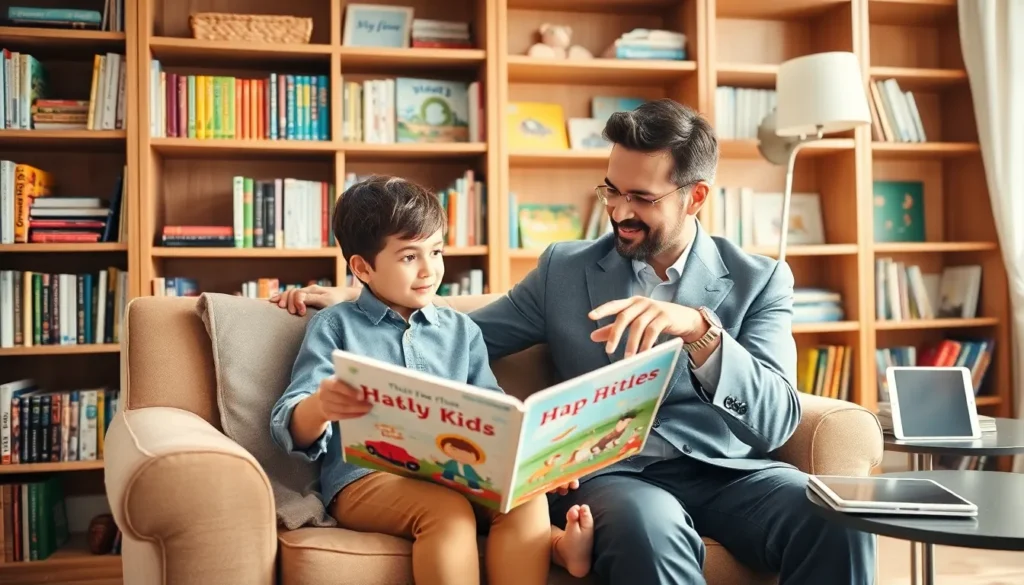
Designated reading spaces signal that reading is important. A cozy corner with good lighting, comfortable seating, and accessible books invites children to pick up a book. The space doesn’t need to be elaborate, a bean bag chair and a basket of books works perfectly.
Modeling reading behavior teaches children that reading is a normal adult activity. When children see parents and caregivers reading for pleasure, they learn that reading has value beyond school assignments.
Practical reading and literacy development ideas for the home include:
- Establishing a daily family reading time
- Keeping books in multiple rooms (kitchen, bathroom, car)
- Giving books as gifts for birthdays and holidays
- Subscribing to age-appropriate magazines
- Leaving notes and messages for children to read
Conversations about books extend learning beyond the page. Asking open-ended questions about stories, “What do you think will happen next?” or “Why do you think that character acted that way?”, builds critical thinking and comprehension skills.
Limit screen time during designated reading periods. Children need protected time to engage with print without competing digital distractions.
Using Technology to Support Reading Growth
Digital tools can enhance literacy development when used thoughtfully. Technology offers unique advantages for building reading skills across all age groups.
E-readers and reading apps provide built-in support features. Text-to-speech options let struggling readers hear words they don’t recognize. Built-in dictionaries allow instant vocabulary lookup. Adjustable text size and spacing accommodate different visual needs.
Audiobooks support literacy in multiple ways. Listeners build vocabulary, learn proper pronunciation, and experience fluent reading models. Pairing audiobooks with print versions, where children read along while listening, strengthens word recognition.
Educational reading games make practice enjoyable. Well-designed apps target specific skills like phonics, sight words, and comprehension. Look for programs that adapt to the user’s level and provide meaningful feedback.
Effective technology-based reading and literacy development ideas include:
- Using apps that track reading progress and set goals
- Exploring interactive e-books with animation and sound
- Trying speech-to-text tools for reluctant writers
- Finding online book clubs and reading communities
- Accessing digital library resources
Balance remains essential. Technology should supplement, not replace, traditional reading instruction and print experiences. Screen-based reading works best when combined with physical books, face-to-face discussions, and hands-on literacy activities.
Parents and educators should preview digital tools before introducing them. Not all reading apps deliver educational value. The best options provide genuine skill-building rather than just entertainment.


