
Table of Contents
ToggleReading and literacy development form the foundation of academic success and lifelong learning. Children who develop strong reading skills early gain advantages that extend well beyond the classroom. They perform better in school, communicate more effectively, and access information with greater ease throughout their lives.
The journey from recognizing letters to comprehending complex texts follows predictable patterns. Parents, educators, and caregivers play critical roles in supporting this progression. Understanding how literacy develops, and what factors influence it, helps adults create environments where readers thrive.
This article explores the stages of reading and literacy development, examines key influences on reading ability, and provides practical strategies to support literacy growth at every age.
Key Takeaways
- Reading and literacy development progresses through five distinct stages, from pre-reading skills at birth to fluent reading by age 9 and beyond.
- Phonemic awareness, vocabulary knowledge, and background experiences are critical factors that shape a child’s reading ability.
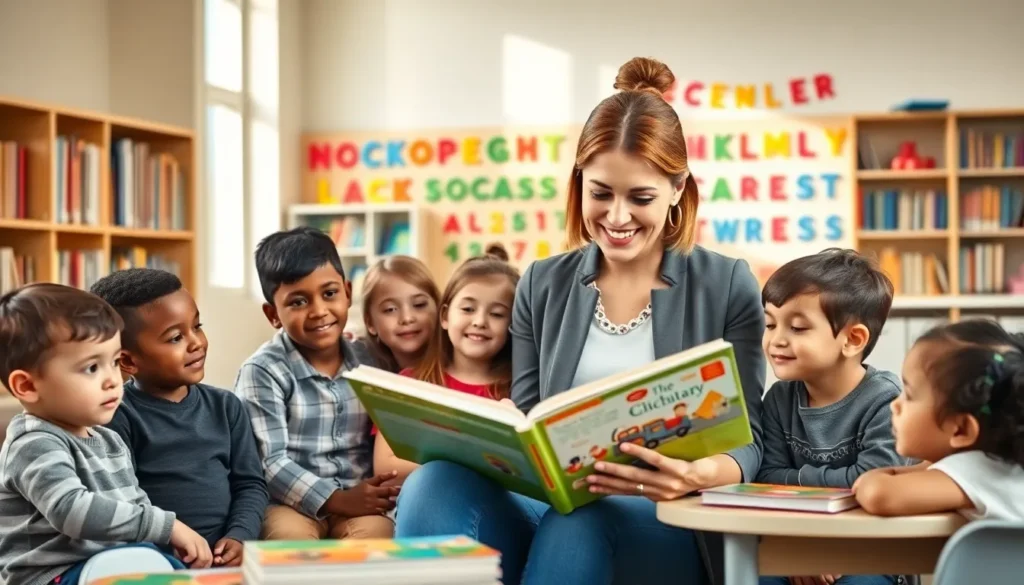
- Reading aloud daily exposes children to advanced vocabulary and models fluent reading, benefiting learners of all ages.
- Systematic phonics instruction combined with regular writing practice reinforces decoding skills and builds stronger readers.
- Providing children with book choice and access to diverse texts increases motivation and time spent reading.
- Literacy-rich environments at home, school, and in the community work together to close achievement gaps and foster lifelong readers.
Understanding the Stages of Literacy Development
Literacy development occurs in distinct stages. Each stage builds on the previous one, creating a cumulative foundation for reading proficiency.
Pre-Reading Stage (Birth to Age 5)
Before children read, they develop pre-literacy skills. They learn that print carries meaning and that books have a front and back. They recognize familiar logos and signs. Vocabulary expands rapidly during this period, and phonological awareness, the ability to hear and manipulate sounds in words, begins to emerge.
Emergent Reading Stage (Ages 5-6)
Children start connecting letters to sounds. They recognize sight words and begin decoding simple texts. Reading and literacy development at this stage often involves pointing at words while reading aloud. Mistakes are frequent and normal.
Early Reading Stage (Ages 6-7)
Decoding becomes more automatic. Children read simple sentences with increasing fluency. They start to self-correct errors and use context clues. Comprehension of basic narratives improves significantly.
Transitional Reading Stage (Ages 7-9)
Readers move from “learning to read” toward “reading to learn.” They handle longer texts, recognize common word patterns, and read silently. Vocabulary continues expanding through exposure to varied texts.
Fluent Reading Stage (Ages 9+)
Fluent readers process text automatically. They adjust reading speed based on purpose and difficulty. Critical thinking about texts becomes possible. Reading and literacy development continues throughout adolescence and adulthood as readers encounter increasingly sophisticated material.
Recognizing these stages helps adults set appropriate expectations and provide targeted support.
Key Factors That Influence Reading Ability
Multiple factors shape how children develop reading skills. Some are biological, others environmental. Understanding these influences allows for more effective intervention.
Phonemic Awareness
The ability to identify and manipulate individual sounds in spoken words predicts reading success. Children who struggle with phonemic awareness often face reading difficulties later. Explicit instruction in sound-letter relationships addresses this gap.
Vocabulary Knowledge
Readers need sufficient vocabulary to comprehend text. A child who encounters too many unknown words loses meaning. Wide reading and rich oral language experiences build vocabulary naturally. Direct instruction of academic terms supplements this growth.
Background Knowledge
Readers understand new information by connecting it to what they already know. Children with broader life experiences and content knowledge comprehend texts more easily. Reading and literacy development benefits from exposure to diverse topics through books, conversations, and experiences.
Motivation and Interest
Engaged readers practice more, and practice improves skill. Children who find reading enjoyable choose books independently. Forced reading of uninteresting material can damage motivation. Allowing choice within appropriate reading levels maintains engagement.
Learning Differences
Dyslexia and other learning differences affect approximately 15-20% of the population. These conditions create specific challenges with decoding, fluency, or comprehension. Early identification and specialized instruction help affected learners succeed.
Language Background
Children learning to read in a second language face additional challenges. They must develop oral proficiency alongside reading skills. Bilingual learners benefit from instruction that honors their home language while building English literacy.
Addressing these factors systematically improves outcomes for all readers.
Effective Strategies to Support Literacy Growth
Research identifies specific practices that accelerate reading and literacy development. These strategies work across age groups and learning contexts.
Read Aloud Daily
Reading aloud exposes children to vocabulary, syntax, and story structures beyond their independent reading level. It models fluent reading and demonstrates comprehension strategies. Even older children benefit from hearing complex texts read well.
Teach Phonics Systematically
Explicit, sequential phonics instruction helps most children decode words efficiently. Programs that follow a logical progression from simple to complex patterns produce strong results. Phonics instruction should connect to real reading and writing activities.
Build Vocabulary Intentionally
Teach new words in context. Discuss word meanings during read-alouds and conversations. Encourage children to use new words in speaking and writing. Word walls, vocabulary journals, and word games reinforce learning.
Practice Fluency
Repeated reading of familiar texts builds automaticity. Readers who decode effortlessly have more cognitive resources available for comprehension. Partner reading, choral reading, and recorded reading provide fluency practice.
Teach Comprehension Strategies
Good readers use specific strategies: predicting, questioning, visualizing, summarizing, and making connections. Teaching these strategies explicitly, then gradually releasing responsibility to students, develops independent readers.
Provide Volume and Choice
Reading and literacy development requires practice. Children need access to many books at appropriate levels. Letting readers choose their own texts increases motivation and time spent reading. School and classroom libraries matter enormously.
Write Regularly
Writing reinforces reading skills. Spelling practice strengthens phonics knowledge. Composing sentences builds syntactic awareness. Reading and writing develop together and should be taught together.
Consistent application of these strategies produces measurable gains in literacy skills.
The Role of Environment in Fostering Strong Readers
Where children grow up shapes their reading and literacy development profoundly. Both home and school environments influence outcomes.
Home Literacy Environment
Homes rich in books produce stronger readers. Children who see adults reading learn that reading matters. Conversations at dinner tables expand vocabulary. Bedtime reading routines establish positive associations with books.
The number of books in a home correlates with academic achievement. But, quality of interaction matters more than quantity of materials. A few well-loved books read repeatedly with discussion outperform shelves of untouched volumes.
Classroom Environment
Effective classrooms allocate significant time to reading instruction and practice. They display student writing and celebrate literacy achievements. Teachers who read enthusiastically transmit that enthusiasm to students.
Classroom libraries need diverse books reflecting student interests and identities. Children read more when they see themselves in stories. Access to both fiction and informational texts builds well-rounded readers.
Community Resources
Public libraries extend home and school resources. Summer reading programs prevent learning loss during school breaks. Community literacy programs support families who need additional help.
Digital Considerations
Screen time affects reading and literacy development in mixed ways. Educational apps can build specific skills. But, passive screen consumption often displaces reading time. Balance matters, and print reading should remain central.
Socioeconomic Factors
Income disparities create literacy gaps before children enter school. Children from lower-income families hear fewer words and have less access to books. Quality preschool programs and community interventions address these disparities.
Building literacy-rich environments requires intentional effort from families, schools, and communities working together.


